
[No. 123]
Design
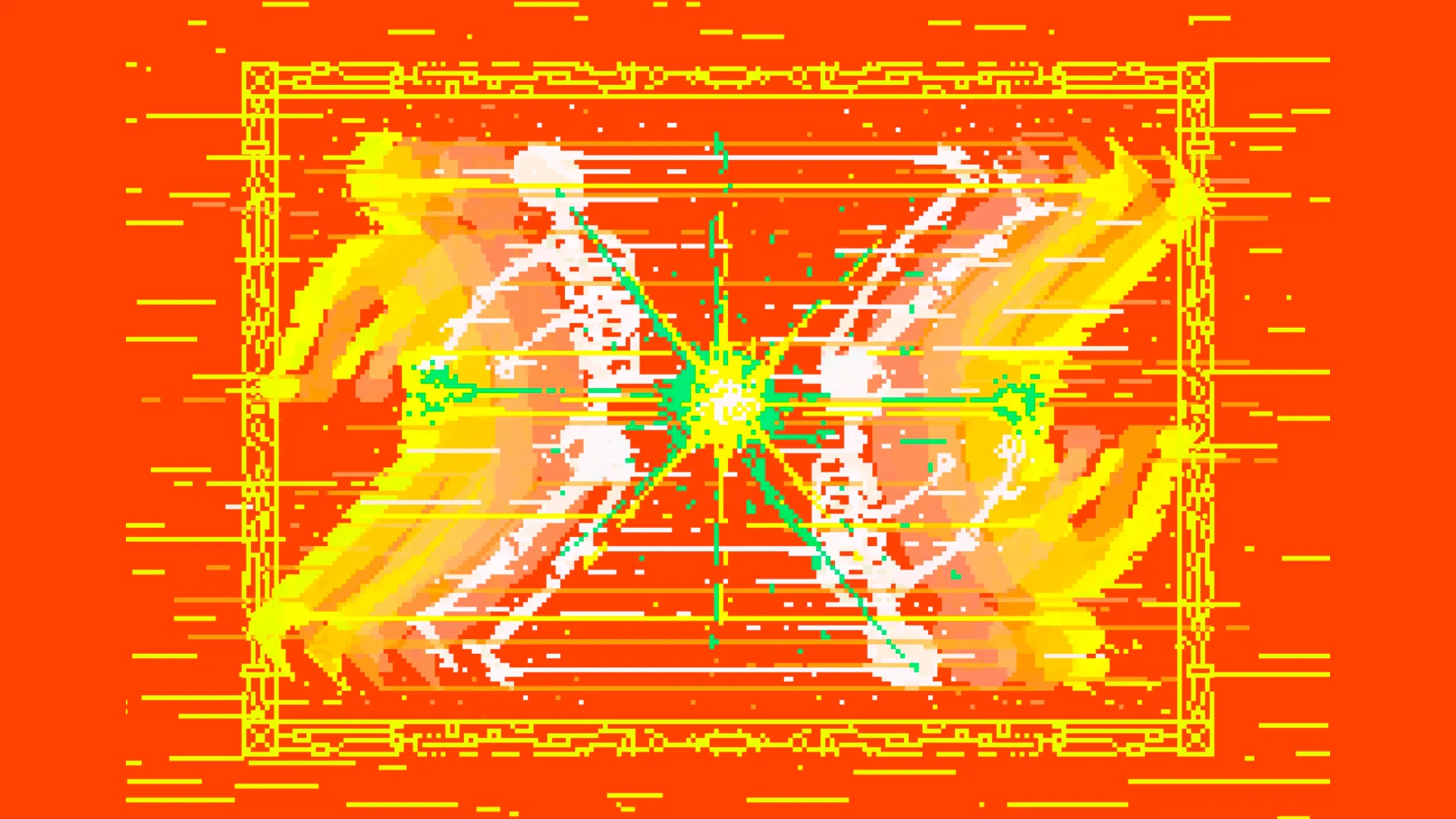
Last week of Inktober
I'm 4 cards away from the end of Inktober and I think it's a good time to share more about the game mechanics since I've gotten a much better idea of it over the last few days.
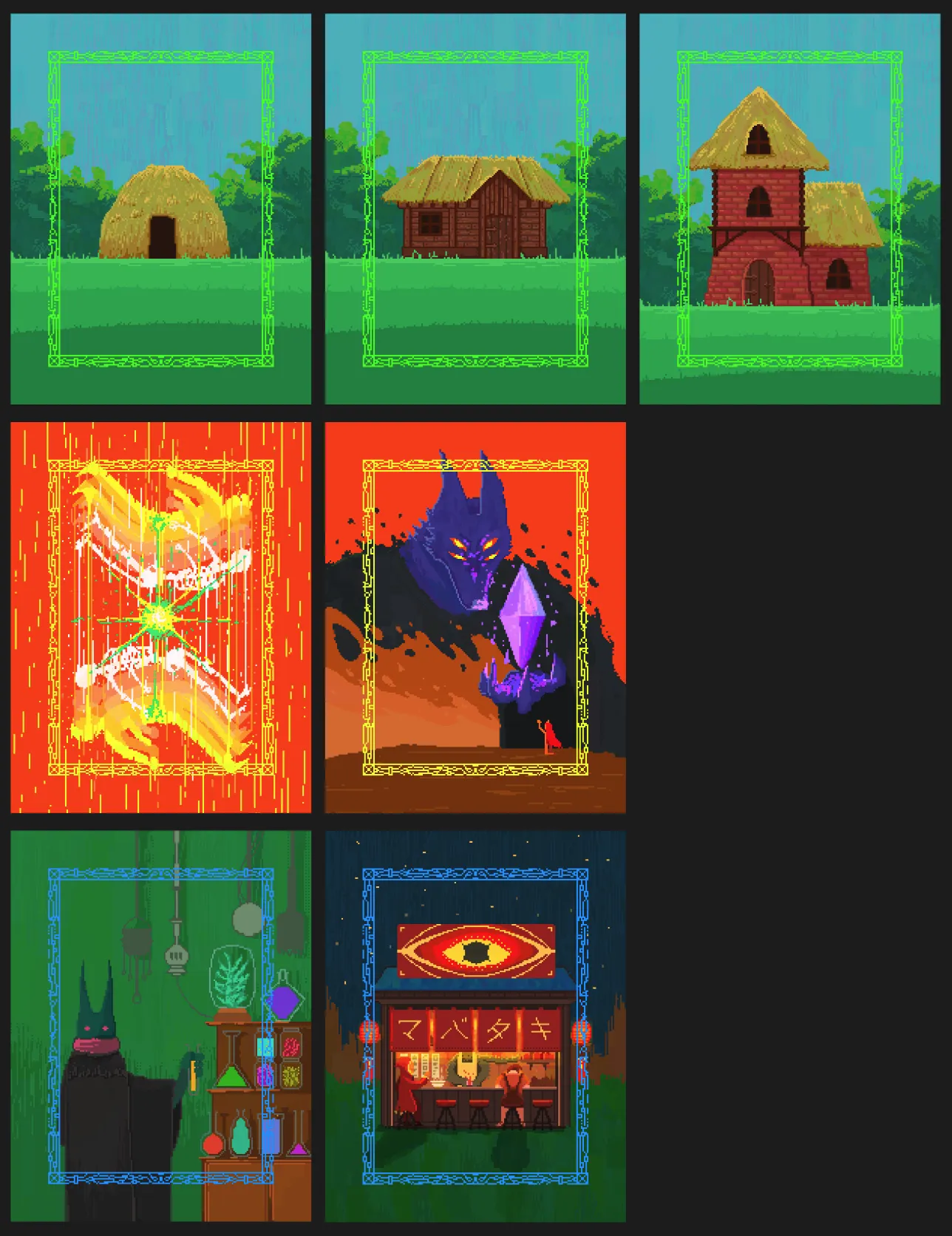
With the completion of today's location card, I've concluded 3 new card categories for Yamageddon:
assets (1st row)
obstacles (2nd row)
locations (3rd row)
If you're new here and want more context, this link will help.
If not, let's talk game mechanics.
Assets (hay house, wood house, brick house)
Each house has its own hit point threshold. The hay house can survive 1 attack, wood house can survive 3, and the brick house is the Pigs' win condition. If a house is destroyed, another has to be built from scratch.
My initial thinking was that these cards could only be built, owned and played by Pigs. It was a simple rule but it also gives them a safety net the moment they build any of the houses whereas the Hoods would be left vulnerable to the Enemies. On top of that, if it has no value to the Hoods, it wouldn't be much of a game against such a disadvantage.
My solution to this was to make the asset cards tradable and playable by the Hoods, but the unique ability to build them remained with the Pigs. By doing this, it adds reason for conflict (more fun) and balances the Pigs' win condition.
There are some questions I haven't quite answered for these cards though:
How many resources (straw, sticks, etc) does it take to build each house?
Which cards can (and can't) it defend against?
Should there be a limit to how many houses can be built by the Pigs? What if someone builds 5x hay houses just for defensive purposes.
What would dissuade them against doing so and how should they be persuaded to advance their house?
What would Hoods potentially trade for this asset and why?
Obstacles
As of now, there are 2: Reality Rift and Invoke the Wolf.
Reality Rift swaps everyone's decks. It was designed with the intention of introducing chaos, and this is where the Vice cards shine. I'm thinking to rescale Envy's power because of this. This card can be really fun, but it could also easily make players feel like everything they do prior to it would be a waste of time until it is played.
I think this issue boils down to two things: the duration of the game and the frequency of the cards. Neither of which I have a solid answer to atm but there are three questions I'm considering which could simplify things:
How many of these cards should there be so it's challenging yet enjoyable, but not annoying and time-consuming?
If Envy's power is boosted, then should there be more or less of them in proportion to the Reality Rift?
Should the decks be swapped between Factions only?
Invoke the Wolf summons the Wolf, who is the anti-hero of the card game. He only has 1 purpose: to punish and reward players with the lowest and highest karma. Lowest karma players receive Chaos Cards (disadvantage), whereas the highest karma players receive Wisdom Cards (advantage). The Karma system is determined by the Trial cards and Vice cards. Trial cards give you positive karma, Vice cards give you negative karma.
Questions for myself:
What are Chaos and Wisdom cards?
How is the Karma system tallied?
Should the Karma system get reset upon playing this card?
Should there be a way to escape this obstacle or keep it mandatory?
Locations
This section was fun to brainstorm because I had a few locations in mind, but I think these 2 would bring the most fun to the deck. Both cards can be taken, but are not tradable.
The first is Potion Shop. My initial idea was to have anyone who uses this card be able to buy any potion from the store. A simple idea, but then I thought what if they could SELL the potions too? And so, the Potion Master was born. Anyone who uses this card becomes the Potion Master for x amount of turns. The x is important because becoming Potion Master allows one to own, and distribute a monopoly in game which could lead to interesting win conditions. I'll reveal the potions in the coming days.
Until then, some questions to ponder on:
Should the Potion Shop function without a Potion Master?
Are Potions free of charge for the Potion Master?
If 'x amount of turns' is removed, and the Potion Master can stay in their position until someone else draws the card, how would it affect the game?
The second is Blink's Yatai. A Yatai is a portable Japanese food cart and it's named after Blink (マバタキ, Mabataki in Japanese) because I want multiple copies in the deck so the Yatai can teleport to any player in the blink of an eye.
This location is useful because it teleports to the player's advantage by providing an endless source of food. Food and Water (Resource cards) cost nothing in whatever they are trying to build or create, and it acts as a safe space from Trial Cards. Like any good Yatai, it should welcome everyone, so I want both Factions to play it at once. However, I haven't found a way to introduce that mechanic yet. Some factors I've been thinking about include:
How many turns does the Yatai stay for if it doesn't 'blink'?
What do players trade to reserve a spot in the Yatai?
Can visitors buy food from the Yatai?
Should there be more benefits or would that make it broken?
Conclusion
There you have it! 3 new groups, each of them adds a new depth to Yamageddon but also comes with their own set of questions to think about to keep the game entertaining and balanced.
Next, you can expect me to finish up the final four cards of this Inktober. I've also finished recording a new YouTube video about this project so stay tuned for that.