
[No. 097]
Life
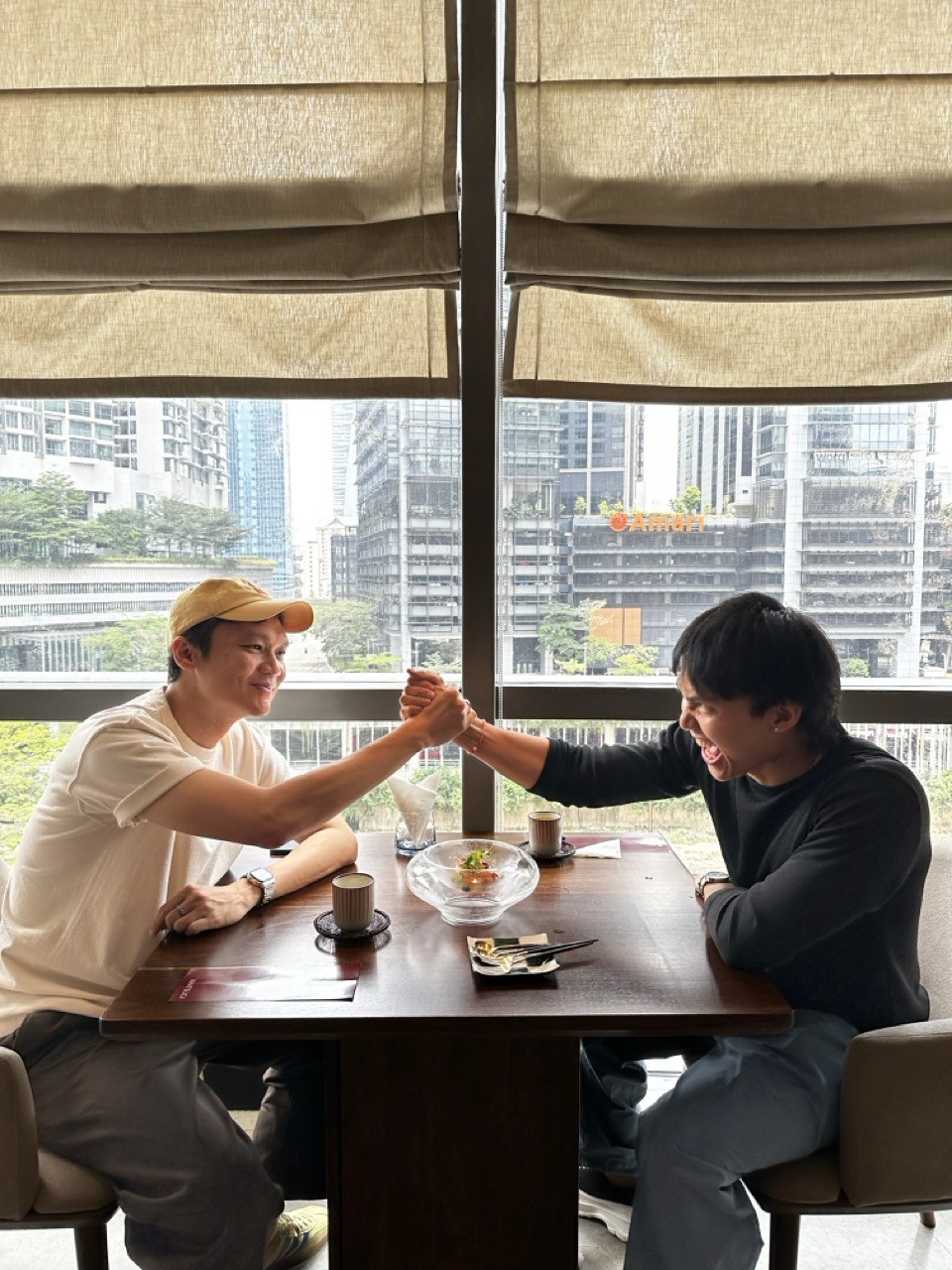
Regrettably, one of the things I’ve not done well in past work spaces is saying thank you to those who have helped me long after our paths have diverged. It didn’t make sense to me when I was younger. Why should I thank anyone for my will to learn and act? Especially any of my bosses. I was hired by them to do it anyway, shouldn’t it be in their best interest to guide me?
Yeah, I know.
I was a different person then.
And having joined the creative workforce at 20, I’ve had my fair share of terrible work experiences. Impossible deadlines, being the only creative, micromanagers, you name it. And because of that, it became natural to justify my lack of courtesy as most of my bosses were just that – bosses.
As I grew up, I figured that it was best to separate my personal and professional life. My philosophy was that the less I know (about them, and vice versa) the better. Which is also the title of a cool Tame Impala song.
That philosophy has changed since I met my ex-boss. Why?
He was more than a boss
I saw him as a leader and my mentor. I worked in his digital marketing agency for ~4 years. Rewinding time, I was hired by him during the second crescendo of the covid pandemic in Malaysia. Quarantines were expected, but not enforced. This was wonderful news to me, because I had just flown back from Australia’s tight lockdown. If anything, I saw it as an improvement.
I was eager to stretch my legs and move beyond four walls again, so I decided to work in the office daily.
I figured I’d make more friends that way (and I did), but I found Paolo and I to be the only one in the office most of the time. It was stressful at first. He wasn’t particularly friendly, conversations were short, and I distinctly remember him getting annoyed when I caught on too slow. Also, it seemed like he hovered around the office like the Baron in Dune lmao. That, or he had the footwork of a ninja. In one moment, I see him walking into his office. In the next, he’s right behind me, looking at my design.
It’s funny now, but I was sweating bullets then but it didn’t dissuade me from showing up. I knew he meant well because he had the patience to check in on my progress, offered guidance when I felt lost and entertained my existential crises.
As I got better, he gave me opportunities to grow and trusted me with important tasks. I got to lead teams, art direct campaigns and speak to clients all at the same time. While pressuring at first, all that exposure broadened my possibilities as a creative. And now that I’m running my own one-man design studio, I can’t help but feel grateful to him for showing me the ropes.
饮水思源
So I decided to invite him out for lunch a month ago.
When he said yes, I was excited, but nervous.
I had never invited any of my bosses out for lunch before, so I wasn’t sure what to expect. I lowk thought he would bail in the last minute but I have a feeling it’s gonna be top 5 best lunch appointments for the year.
He gave me some business advice, which I’ve taken to heart and I believe these are most relevant to most.
1. If possible, find people that complement your skillset
It’s almost impossible to succeed alone in the long run. Challenges will come up along the way which requires different skillsets. With yin, there’s yang. Everyone has their strengths and weaknesses so it’s important to choose team players that bring a unique perspective. Ideally, people that excel beyond your own domain of expertise.
However, there’s no need to rush into it. Especially during times like these, it’s much better to:
2. Scale accordingly, but keep your overhead as low as possible
Turbulent times means anything can happen at any moment, so it’s important to build a financial runway that can prolong business activity. To do this, utilise what you already have, make it more effective and find the leaks in your system. For me, the growing list of subscriptions came to mind which is why I’ve been evaluating their use cases and finding other alternatives.
In short, scale with caution.
Double down on what’s working, remove the excess and keep a tight system.
3. Find your desired success metric then attach it to a deadline
For some people, it’s a number, an object or a feeling. To be honest, I usually go with the last: a sense of fulfilment and the drive to do better. However, business likes numbers and the fastest way forward is to calculate a goal. You may fall short, you might succeed, but if you don’t have a target, you’ll never know how well you’re doing.
“Keep it simple: quarterly and yearly,” he said.
Something clicked for me after hearing this piece of advice. It reminded me of the giant calendar I printed, and how it felt strange that the second half of the year was empty and unpredictable. My days and weeks were scheduled down to the minutes and yet I wasn’t able to plan beyond the months. When I got home, I remember writing down some goals before the end of the year too.
4. “Do you want the trip to Japan, or do you need it?”
Ever since I started venturing out on my own, it’s been 24/7 for me. I’m fiercely passionate about doing everything I find important. And because of this, much of what I’ve sacrificed is my social and leisure hours. I’ve gotten pretty good at detecting when burnout’s coming though, and I realise a big trip is the best reset for me. Hence the question.
I remember him saying something like:
“Travelling is good and perspective is great, but if your fuel tank is healthy, then just keep going.”
“…but you should remember to unwind at the end of your day.”
The conclusion I came to is that sometimes, you can’t have both – especially when working with limited resources. I was at a crossroad between buying the NAS and planning a trip to Japan. Both of which are incredibly important to me, but you already know which one I decided to prioritise.
So, there you have it. My first time inviting my boss out for lunch, right at the edge of my 20s too. Guess it was about time, hah.
But hey, if you’ve got someone you feel grateful towards, why not reach out to them for a meal? It might sound small and insignificant, but it’s the thought that counts.
After all, it’s the little things we do that build a bigger connection.