
[No. 086]
Art
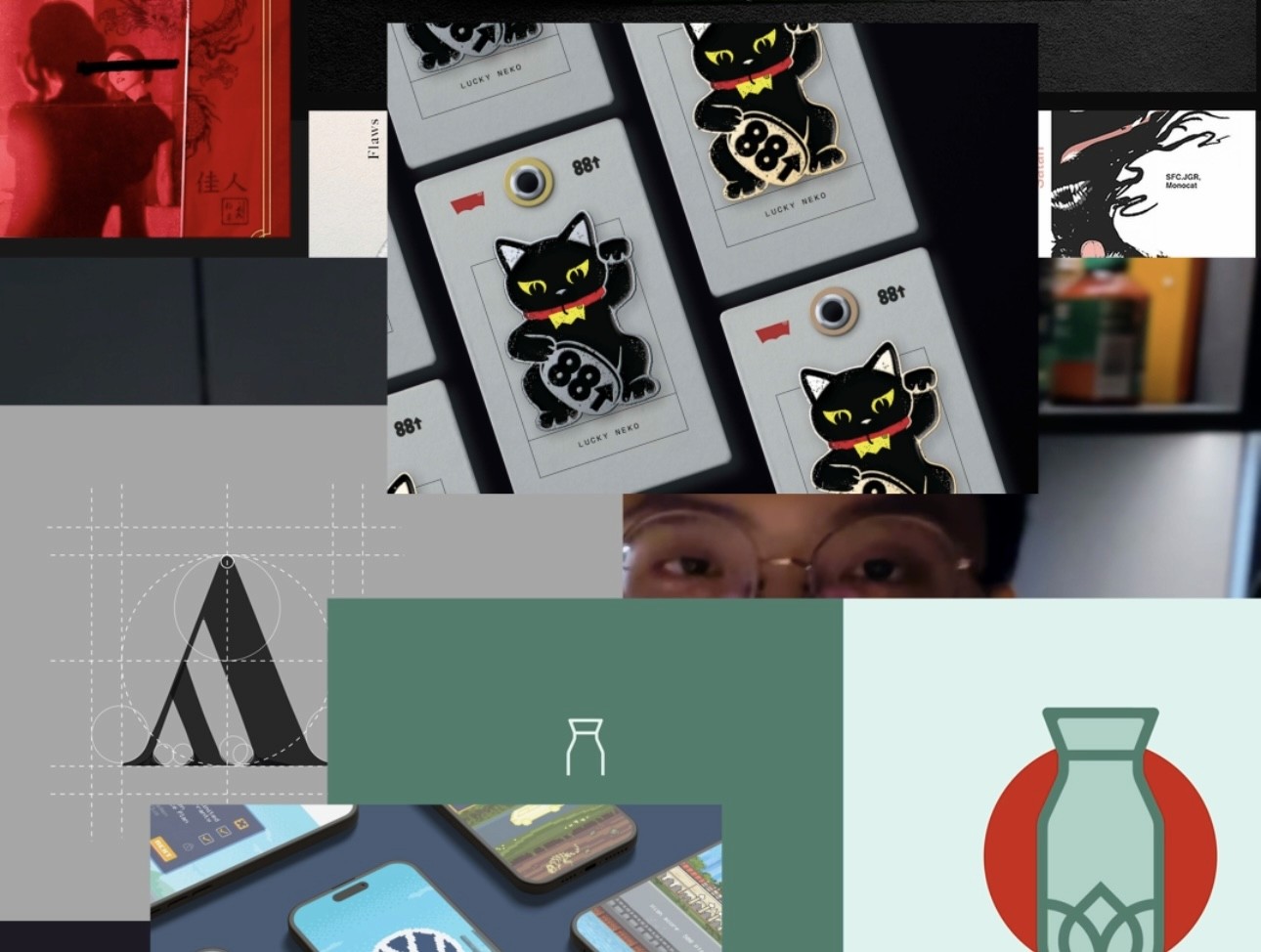
This post got more attention than usual last week, but getting into depth on reels is challenging so I’m writing this to elaborate because I genuinely believe it’s a valuable asset to have one as a creative professional. Beyond improving your chances of landing opportunities, it’s a way to honour your work and maintain a low-effort, and a consistently updated portfolio.
1. Build a website
I think this is one of the best ways to build your portfolio, no matter your expertise. It doesn’t matter where you build it (but I’ve covered some website builders in the links below), it only matters that you do it. The reason for this is that not everyone is willing to invest the time, money and effort needed to make this happen.
Therefore, it creates an unfair advantage and an increased sense of professionalism. Also, I do believe that curated documents are still valid, but a website is definitely more versatile and scalable.
Here are some extra resources on choosing a website builder and the overall process:
- Building your digital home
- Comparing different website builders
2. Document your process while creating
This one was huge for me. I wish I documented more of my projects growing up. I only had scraps of notes and screenshots before, but I’ve kept my sketches, concepts and footage as I progress through the project.
Ngl, it’s extra work – in the short run.
However, it’s more efficient in the long run. I used to get anxious and stressed out by how impossible it felt to update multiple case studies at once until you start documenting the process on the job.
“Documenting the process” is vague as heck, so here are a few ways to so:
the final outcome (no brainer)
ideation/concept
process/BTS
explanation/journey type video
Each of these have their own perk and I highly recommend building a system to house your creative assets because things will get messy over time. I hope to cover these in more depth moving forward.
3. Have a passion project
I don’t think people talk about this often enough because we’re supposed to look flawless and professional on the job, but having a passion project allows us to be more experimental. In doing so, you find new creative possibilities that can be applied for your clients too.
Also, having a passion project keeps you sane. The world gets pretty mad at times, and if all you’re ever thinking about is someone else’s KPIs or when the next deadline is, burnout is likely going to be the next checkpoint.
These are the reasons why I started warlockwolf, and the projects behind it. If you’re curious, here are a few:
Wolftober 2024
8 bit anime